
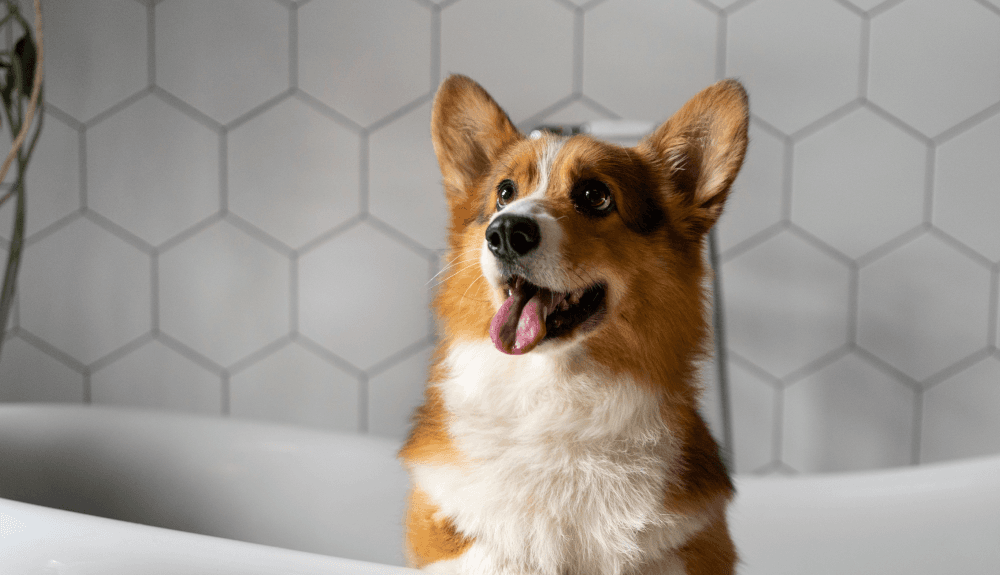
Our pets bring immense joy and companionship into our lives, and as pet owners, it’s our responsibility to ensure they lead healthy and happy lives. From proper nutrition to regular exercise, there are several key areas to focus on to maintain your pet’s well-being. Here are some top tips to keep your pet healthy and happy:
1. Provide a Balanced Diet
A well-balanced diet is the cornerstone of your pet’s health. Ensure you provide:
- High-Quality Food: Choose pet food that meets your pet’s nutritional needs. Look for high-quality, veterinarian-recommended brands.
- Age-Appropriate Nutrition: Puppies and kittens have different nutritional requirements than adult or senior pets. Make sure their diet is suitable for their age.
- Portion Control: Avoid overfeeding to prevent obesity, which can lead to various health issues. Follow feeding guidelines and consult your vet if you’re unsure about portions.
- Fresh Water: Ensure your pet has access to fresh, clean water at all times to stay hydrated.
2. Regular Exercise
Exercise is essential for your pet’s physical and mental health. It helps maintain a healthy weight, improves cardiovascular health, and provides mental stimulation. Here’s how to keep your pet active:
- Daily Walks: Regular walks are a great way for dogs to get exercise and explore their surroundings. Adjust the length and intensity of walks based on your dog’s breed and energy level.
- Playtime: Engage your pet in interactive play with toys, fetch, or tug-of-war. Cats enjoy chasing toys, climbing, and using scratching posts.
- Mental Stimulation: Provide puzzle toys, treat-dispensing toys, and training exercises to keep your pet’s mind sharp and engaged.
3. Regular Veterinary Check-Ups
Routine veterinary visits are crucial for early detection and prevention of health issues. Schedule regular check-ups to:
- Vaccinations: Keep your pet’s vaccinations up to date to protect against common diseases.
- Dental Health: Regular dental check-ups and cleanings prevent dental diseases and maintain overall health.
- Parasite Prevention: Use flea, tick, and heartworm preventatives as recommended by your vet.
- Health Monitoring: Regular exams help detect and manage health issues early, ensuring timely treatment.
4. Maintain Good Hygiene
Good hygiene practices contribute to your pet’s overall health and comfort:
- Regular Grooming: Brush your pet’s coat regularly to remove loose hair and prevent matting. Bathing should be done as needed based on your pet’s breed and lifestyle.
- Nail Trimming: Keep your pet’s nails trimmed to prevent overgrowth and related issues.
- Ear Cleaning: Regularly check and clean your pet’s ears to prevent infections.
- Dental Care: Brush your pet’s teeth regularly and provide dental treats or toys to maintain oral health.
5. Create a Safe Environment
A safe living environment is essential for your pet’s well-being:
- Pet-Proofing: Remove or secure items that could be harmful, such as toxic plants, chemicals, and small objects that can be swallowed.
- Comfortable Space: Provide a cozy bed, safe toys, and a quiet area where your pet can rest and relax.
- Outdoor Safety: Ensure your yard is secure and supervise your pet during outdoor activities to prevent accidents and escapes.
6. Socialization and Training
Proper socialization and training are key to a well-behaved and confident pet:
- Early Socialization: Expose your pet to different people, animals, and environments from a young age to build confidence and reduce anxiety.
- Positive Reinforcement Training: Use positive reinforcement techniques to teach your pet basic commands and good behavior. Reward desired behaviors with treats, praise, or playtime.
7. Mental Health and Enrichment
Mental health is just as important as physical health for your pet’s happiness:
- Enrichment Activities: Provide a variety of toys, games, and activities to keep your pet mentally stimulated. Rotate toys to keep them interesting.
- Quality Time: Spend quality time with your pet through play, training, and cuddling to strengthen your bond and provide emotional support.
8. Monitor Your Pet’s Health
Stay vigilant about your pet’s health and behavior:
- Weight Management: Regularly check your pet’s weight and adjust their diet and exercise as needed to maintain a healthy weight.
- Behavior Changes: Watch for changes in behavior, appetite, or energy levels, as these can be signs of underlying health issues.
- Regular Check-Ins: Perform regular health check-ins at home, such as checking for lumps, bumps, and any signs of discomfort.
Keeping your pet healthy and happy requires a proactive approach to their overall well-being. By providing a balanced diet, regular exercise, routine veterinary care, and a safe environment, you can ensure your pet lives a long, fulfilling life. At Tailtrust, we’re committed to supporting your pet’s health with comprehensive insurance plans tailored to their needs. Explore our plans today and take the first step towards a healthier, happier life for your beloved pet.
 TAILTRUST